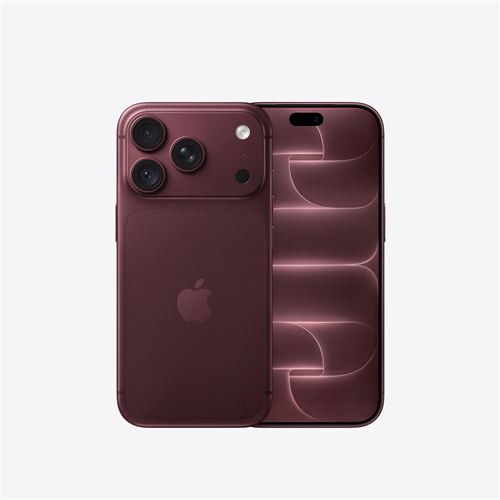
Unveiled on September 9, 2026, and available in France since September 18, the iPhone 18 Pro shapes up to be one of the Pro line's most significant technical leaps in recent years. Featuring a 2nm A20 Pro chip, a vapor chamber, a variable-aperture main lens, and up to 34 hours of video playback: Apple has meticulously engineered its spec sheet. Pricing follows the same upward curve, with an entry price starting at €1,479 for 256 GB.
Should you rush out to a retailer? Not necessarily. We review the confirmed specifications, highlight the features that will appeal to content creators, look at real-world market pricing in France, and examine the alternatives—especially refurbished options. A methodological note: analyses published to date rely primarily on spec sheets and official announcements rather than prolonged hands-on testing. We therefore distinguish between manufacturer claims and what remains to be proven in day-to-day use.
Sommaire
- What the iPhone 18 Pro Changes Compared to the Previous Generation
- Technical Specs: The Essentials at a Glance
- A20 Pro Chip: 2nm Process, Vapor Chamber, and AI
- Camera: Variable Aperture, the True Innovation of the Year
- Display, Battery Life, and Connectivity: Targeted Upgrades
- French Pricing: An Increase Fully Owned by Apple
- Expert Review: Who Is the iPhone 18 Pro Really For?
- Refurbished and Trade-Ins: The Most Rational Alternative
- Conclusion: An Excellent Device, but Not at Any Cost
What the iPhone 18 Pro Changes Compared to the Previous Generation
The smartphone keeps the same 6.3-inch display diagonal as its predecessor, but Apple has focused on three fronts: sustained performance, camera capabilities, and front-panel compactness. The A20 Pro chip is paired for the first time with a vapor chamber, the 48 MP main sensor gains a variable aperture, and the Dynamic Island shrinks by 25%, according to the comparison by Next Mobiles.
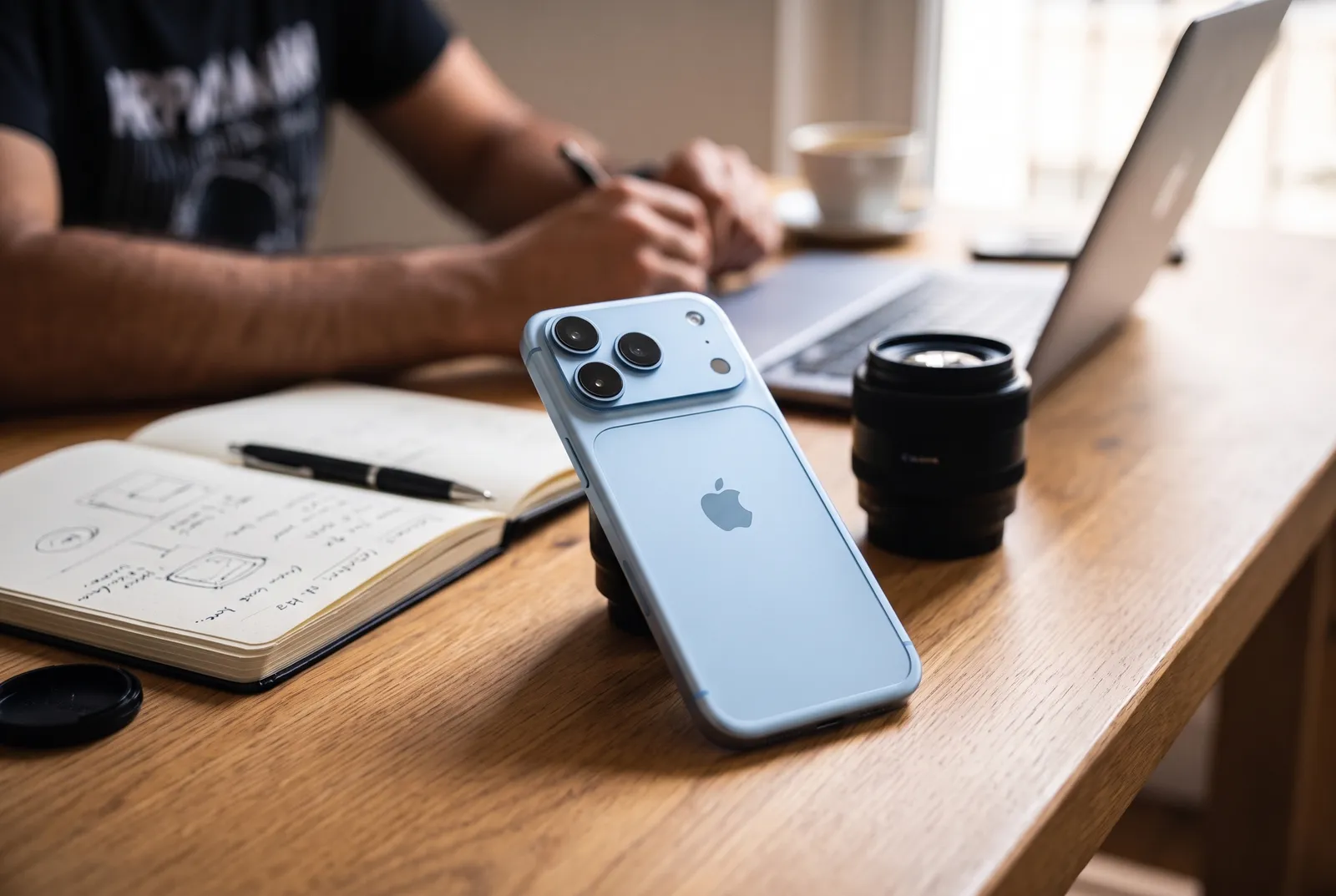
This is not a design revolution, but a substantive overhaul. If you own an iPhone 17 Pro, the gains are real without being essential day to day. If you are upgrading from an iPhone 16 Pro or older, the cumulative leap becomes much more noticeable.
Technical Specs: The Essentials at a Glance
Here are the specifications confirmed by the reviewed sources, notably Apple's official page:
- Display: 6.3-inch Super Retina XDR OLED, 120 Hz ProMotion, up to 3,000 nits outdoors;
- Protection: Ceramic Shield 2 with anti-reflective coating;
- Chip: 2nm A20 Pro, 6-core CPU, 7-core GPU, 32-core Neural Engine (two 16-core clusters);
- Cooling: Vapor chamber;
- Rear cameras: Triple 48 MP sensor array, Fusion main lens with variable aperture from f/1.48 to f/4;
- Front camera: 18 MP Center Stage sensor;
- Connectivity: Proprietary Apple C2 5G modem and Wi-Fi 7;
- Battery life: Up to 34 hours of video playback (claimed figure);
- Starting price: €1,479 for 256 GB, €2,229 for 1 TB.
The consulted sources do not specify the exact RAM capacity or weight. It is best to verify these on the manufacturer's spec sheet before buying.
A20 Pro Chip: 2nm Process, Vapor Chamber, and AI
The A20 Pro chip is the beating heart of this generation. According to an analysis by Pause Hardware, it provides 50% more memory bandwidth compared to the A19 Pro, while the 7-core GPU can be up to 40% faster than that of the iPhone 17 Pro. These figures represent manufacturer-claimed metrics recorded under specific testing environments. They point to a trend rather than a guaranteed uplift across every application.
Why the Vapor Chamber Matters
The most compelling addition for intensive tasks is undoubtedly the new cooling system. When a smartphone heats up, it throttles performance to protect its components, causing frame drops in games or slower video rendering. A vapor chamber is designed specifically to disperse heat more evenly. How significantly it improves sustained real-world performance remains to be confirmed through extensive testing.
A Dual Neural Engine Built for AI
The two 16-core clusters of the Neural Engine combine for a total of 32 cores. They are engineered to handle on-device artificial intelligence tasks such as image processing and recognition capabilities. The tangible benefit will depend on the software features Apple rolls out. For now, it primarily provides headroom for the years ahead.
Camera: Variable Aperture, the True Innovation of the Year
This is the upgrade most likely to catch the eye of content creators. The 48 MP Fusion main sensor features a variable aperture. According to Lifone.store, it offers four steps: f/1.48, f/1.8, f/2.8, and f/4. In practical terms, a wider aperture lets in more light, which helps in low-light scenarios and creates a softer background blur. A narrower aperture deepens the depth of field, which is beneficial for landscapes or architecture where wide sharpness is desired.
On the software side, Pause Hardware also highlights the Apple Reference Image feature. This enables cryptographic signing of captured frames and logs any AI-powered retouches. As generated or edited images proliferate, such traceability could prove useful for journalists, photographers, and anyone requiring verified proof of authenticity. Its widespread adoption across media platforms remains to be demonstrated, to our knowledge.
Up front, the 18 MP Center Stage sensor targets video calls and selfie-style video creation. Here again, only hands-on reviews will accurately assess real quality, including color rendering and stabilization.
Display, Battery Life, and Connectivity: Targeted Upgrades
The panel keeps the Pro lineup's standard resolution, alongside 120 Hz ProMotion, but peaks at 3,000 nits outdoors. Ceramic Shield 2 receives an anti-reflective coating, which should improve readability in direct sunlight. Shrunk by 25%, the Dynamic Island frees up visual real estate and can display up to three Live Activities at once, according to Pause Hardware.
Battery life climbs up to 34 hours of video playback. This figure is a maximum provided by the manufacturer under standardized test conditions. In mixed daily use—involving 5G, GPS, camera, and social apps—actual battery life will be lower, and no independent long-term tests are cited in our source data.
Connectivity also steps forward with Apple's proprietary C2 5G modem and Wi-Fi 7 support. Next Mobiles further notes that the Action button evolves into a multi-level haptic sensor with force feedback. This ergonomic shift is best tried out in person, as tactile feel cannot be judged from a spec sheet alone.
French Pricing: An Increase Fully Owned by Apple
The main point of contention is financial. As detailed by BlogNT, the 256 GB iPhone 18 Pro starts at €1,479 incl. VAT, which is €150 higher than the iPhone 17 Pro launch price. The gap reaches €400 on the 1 TB model, priced at €2,229. The outlet attributes this increase partly to the cost of RAM and advanced process nodes. The iPhone 18 Pro 2 TB and the iPhone 18 Pro Max 2 TB sit squarely at the top of the price range.
Discounts on New Units
Having launched just weeks ago, the phone is only starting to see occasional markdowns. Our tracking shows sporadic retailer discounts around €1,331 for the entry-level configuration, a figure that fluctuates rapidly and should be checked before purchase. Historically, discounts expand over the months, particularly around the holiday season, but there is no guarantee they will hit any specific threshold.
Refurbished Options Are Not Yet Available
Lifone.store notes the absence of refurbished iPhone 18 Pro units in these initial weeks on the market. This is expected: devices must first be returned, tested, refurbished, and certified under warranty. These offerings will emerge over time, but banking on specific prices before they exist would be unwise.
Expert Review: Who Is the iPhone 18 Pro Really For?
Based on the available data, three user profiles have clear reasons to consider the upgrade.
- Content creators: The variable aperture, 18 MP front camera, and vapor chamber address practical production and editing needs.
- Owners of older models: Upgrading from an iPhone 15 Pro or earlier provides substantial cumulative improvements across processing, display, connectivity, and battery life.
- Those keeping their phone for five years or more: The performance headroom of the A20 Pro and its Neural Engine should ensure smooth compatibility with future software features.
Conversely, if you already own an iPhone 17 Pro, this upgrade is more about luxury than necessity. The starting price is €150 higher, and everyday tasks (messaging, video streaming, browsing, daylight photos) will hardly push the A19 Pro to its limits. Our assessment mirrors the comparisons reviewed: the iPhone 18 Pro is an outstanding device, but its value proposition hinges heavily on your starting point and camera demands.
Refurbished and Trade-Ins: The Most Rational Alternative
The comparison from Back Market places the refurbished iPhone 17 Pro starting around €971 in autumn 2026. Lifone.store estimates it closer to €1,100, depending on cosmetic grade and storage capacity. In both cases, the difference compared to a brand-new iPhone 18 Pro exceeds €500. Back Market, which has a commercial stake in the matter, also notes that long-term software support is assured across both generations, though without specifying exact timeframes in our reference materials.
For tighter budgets, the iPhone 17 Pro 256 GB or iPhone 17 Pro Max 256 GB present a compelling middle ground, while an iPhone 16 Pro 128 GB remains perfectly capable for standard daily use. Always check battery condition, warranty duration, and return policies before completing a purchase.
Selling Before Value Depreciates
This also concerns owners of earlier models. Back Market advises selling promptly to maximize the trade-in value of iPhone 15 Pro and 16 Pro models, which tend to decline as the new generation takes root. On a trade-in comparison platform like Reepeat, the best strategy is to evaluate multiple offers, check the required condition criteria, and avoid delaying until device value drops. Reset the phone, disable account locks, and hold onto the original invoice and accessories.
Conclusion: An Excellent Device, but Not at Any Cost
The iPhone 18 Pro brings meaningful innovations: a 2nm chip, enhanced cooling, an unprecedented variable aperture for the series, and improved claimed battery life. For content creators and users on older hardware, it largely justifies its flagship status. However, with an entry price of €1,479 and an empty refurbished market for now, it demands either patience or a substantial budget.
Our recommendation: wait for independent tests on battery life and sustained performance, track promotional prices on new inventory, and systematically compare against the refurbished iPhone 17 Pro. If you own an older Pro model, calculate its trade-in value today—the longer you wait, the less it will be worth.